Understanding Parkinson's

Causes of Parkinson's disease

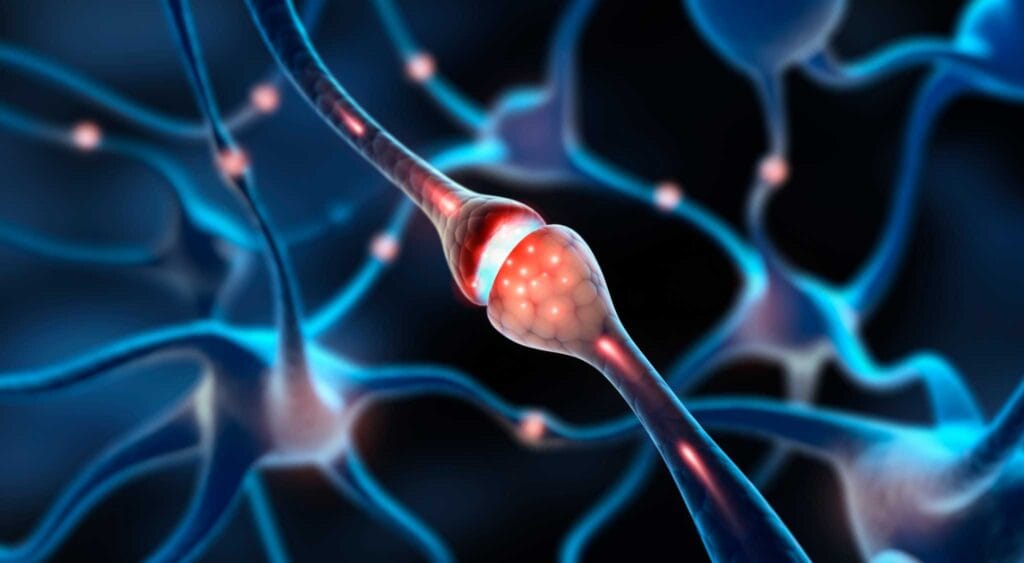
The Parkinson's disease is realized by the Failure of a specific group of nerve cells in the brain caused. These cells are responsible for the production of the neurotransmitter Dopamine responsible. Dopamine is crucial for Fluid, coordinated movements, which Regulation of muscle tension and for the Overall motor skills. If the amount of dopamine drops, the movement disorders typical of Parkinson's occur. The causal mechanisms, that lead to a standstill in dopamine production are not yet fully clarified.


The most common form of the disease is the idiopathic Parkinson's disease, where No clear cause can be determined. This form is used by the Parkinsonism in which the symptoms are limited to concrete triggers such as medication or other illnesses. Genetic influences are considered to be a contributing factor, but so far no single gene which is directly responsible for the development of idiopathic Parkinson's disease.

Research shows that Nerve cell damage and dopamine loss begin years before the first symptoms appear. Only when a significant part of the dopaminergic system is impaired - estimates are around 80 % Dopamine loss in the striatum the symptoms become clinically noticeable. The period between the onset of neurodegenerative processes and the visible onset of the disease is currently estimated at around five years estimated.

Some sufferers bring the onset of the disease with them traumatic events such as accidents, operations or strong emotional stress. However, neurological experts assume that such events are not the cause of Parkinson's disease, but possibly bring existing symptoms to light earlier. The vast majority of people who experience traumatic events develop No Parkinson's disease.

In addition to the idiopathic form, there are also secondary Parkinson's syndromes, where certain medications the Disrupt dopamine metabolism in the brain. A Long-term use of such drugs can cause Parkinson's-like symptoms.

Neuropathologically, Parkinson's disease is characterized by the progressive loss of dopaminergic, neuromelanin-containing nerve cells in the substantia nigra characterized, a central area of the Basal ganglia, which play a significant role in Movement control, posture and coordination play a role. The decisive factor for the course of the disease is not so much the pure cell loss as the resulting Breakdown of the dopaminergic nigrostriatal signaling pathway, which ultimately leads to the typical motor symptoms.

Symptoms of Parkinson's disease

Main motor symptoms

Tremor (trembling) Typically a resting tremor that begins in a limb, often a hand.

Bradykinesia (Everyday movements become laborious and require more time and concentration.

Rigor (muscle stiffness) Increased muscle tension, which can lead to pain and limited mobility

Main non-motor symptoms

  • Depression and anxiety

  • Sleep disorders and excessive daytime sleepiness

  • Loss of the sense of smell (anosmia)

  • Cognitive impairments and concentration problems

  • Deterioration of speech

BLOG

Gait instability and falls are among the greatest challenges in Parkinson's disease. Many people affected feel increasingly insecure despite staying... Read more
Gait instability and falls are among the biggest challenges of Parkinson's disease. Many sufferers feel increasingly unsteady despite movement. A key reason for this is... Read more
One of the most frequently asked questions by people with Parkinson's disease and their relatives is: “Can the progression of the disease be... Read more
One of the most frequently asked questions by people with Parkinson's and their relatives is: „Is it possible to slow down the progression of the disease?“ Parkinson's is currently incurable.... Read more
The term neuroplasticity is frequently used in the context of Parkinson's disease. It refers to the brain's ability to adapt and form new... Read more
The term neuroplasticity is often used in Parkinson's disease. It refers to the brain's ability to adapt and form new connections. Many sufferers... Read more

Frequently asked questions:

Parkinson's is currently considered incurable, but therapeutic measures such as GIGER® MD® therapy can improve movement functions, slow down functional loss and measurably stabilize everyday abilities through targeted neuroplastic training.

Parkinson's occurs most frequently between the ages of 55 and 70, but can also begin earlier.

Parkinson's disease is usually diagnosed by means of a neurological examination in which symptoms, medical history and movement patterns are assessed; imaging procedures or drug tests can support the diagnosis.

In most cases, Parkinson's is not directly hereditary, but genetic factors can influence the risk of developing the disease.

Parkinson's can make everyday activities such as walking, writing or maintaining balance difficult, although many people with Parkinson's who start appropriate treatment in good time often remain independent for a long time.