Introduction
The term neuroplasticity is often used in Parkinson’s disease. It refers to the brain’s ability to adapt and form new connections. Many people with Parkinson’s wonder whether learning is still possible despite their condition. The answer is yes—neuroplasticity is also present in Parkinson’s disease, but it requires specific conditions.
What is neuroplasticity?
Neuroplasticity describes the brain’s ability to
This ability lasts a lifetime, but can be limited in neurological diseases.
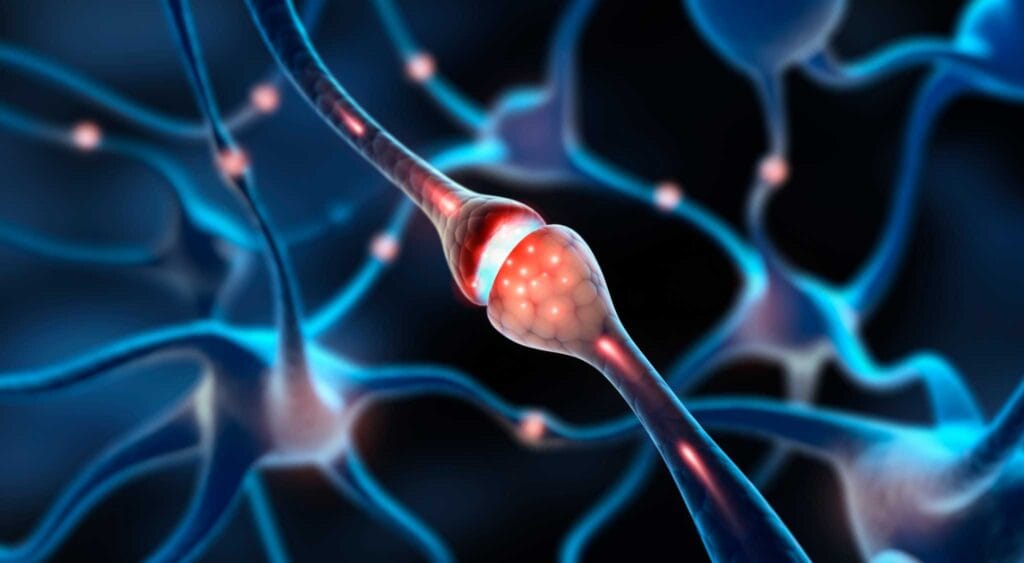
Neuroplasticity in Parkinson’s disease
Parkinson’s disease causes a loss of dopaminergic nerve cells. Dopamine is important for movement control and motor learning. This makes movements less automatic and slows down learning processes.
Important: The ability to learn is not lost, but it requires specific stimuli.
Why exercise alone is often not enough
Regular exercise is important, but it is often not enough. Uniform repetitions or passive practice usually do not generate sufficient learning stimuli.
How targeted training can help
Task-oriented, varied training can promote neuroplastic processes. The following are particularly effective:
The quality of the training is crucial, not the duration.
Conclusion
Neuroplasticity is also possible with Parkinson’s disease, but it does not happen automatically. Targeted, structured training is crucial to support learning processes in the brain. For example, with GIGER® MD® therapy.
Author: Combo AG, manufacturer and distributor of GIGER® MD® therapy
Medical
note: This article is for informational purposes only and does not replace medical advice.
Last update: 2026


